
Over 330,000 people a year are admitted to hospital with an acquired brain injury (ABI) in the UK – one person every 90 seconds. That number would fill Ashton Gate Stadium more than 12 times over. It’s three times the number of people admitted to hospital for heart attacks yearly and almost double the number of new cases of diabetes recorded annually. But, when it comes to public awareness, ABI is by far the least understood, despite its life-altering nature. What does this mean for those survivors of brain injury, and the family and friends who care for them? What support is available?
Headway UK has just launched “We see you”, its annual Action for Brain Injury (ABI) Week, seeking to raise awareness of the impact that isolation and loneliness can have on brain injury survivors and their families. Headway Bristol has been looking closer at how this hidden but devastating consequence of ABI impacts our members and those who support them. And on their behalf, we’re highlighting how your support might change their lives.
A ‘silent epidemic’
ABIs can happen to anyone in seconds, but the impacts may last a lifetime. While physical effects of a brain injury – such as difficulties with movement or speech – can be noticeable, the emotional, cognitive and social consequences are rarely seen. An ABI might impact an individual’s ability to work, drive or even dress themselves, but it might also cause difficulties impacting memory, decision-making, language, insight, fatigue, anger, anxiety or the ability to cope in busy a public place … no two experiences of brain injury are alike.
These ‘invisible’ impacts can be challenging for ABI survivors to come to terms with themselves. What’s more, when these impacts can’t be ‘seen’ by family, friends, carers and others, it makes it harder for them to recognise, understand or relate to them.
“Living with the effects of brain injury can cause many people to feel like they are ‘living life in the slow lane’ and this can be upsetting or difficult to adjust to. Quality of life or sense of identity can be affected, and many people report feeling like a different person after their injury.”
Headway UK
The ‘new me’ that many survivors experience can change relationships with family and friends, perhaps leading to friendships fading and, in some cases, the breakdown of crucial family relationships and social support networks. Research from Headway UK shows that over 70% of brain injury survivors have seen a deterioration in their social life. And while the effects of ABI may improve with the right rehab and support, other impacts will remain world-changing, with the potential to isolate survivors from the things they enjoyed doing and the people they love most, triggers for profound loneliness and reduced quality of life.
“At home I chat to my mum, use my computer, have a cup of tea. It’s lonely by yourself. I’ve got to get out of the house. You’ve got to have someone to talk to.”
Headway Bristol service user
In those cases when the support networks survive, the responsibility carers face can be overwhelming. Some brain injury survivors will need full-time care, limiting a carer’s own lifestyle and connection with social support networks. The financial impact of reduced or lost earnings, as well as necessary adaptations and other household costs, can limit the cash available to enjoy life.
What support is available?
This is where Headway Bristol comes in. We are an independent, non-profit charity with over 40 years of experience in supporting individuals affected by brain injury. We operate across Bristol, North Somerset and South Gloucestershire. Our mission is to help survivors regain independence and improve their quality of life through specialist social and cognitive rehabilitation.
The Wellbeing Centre
Monday to Friday, we run a specialist centre for ABI survivors, some of whom have been with us since the 1980s. A range of activities allow individuals to practice or re-learn skills, from cooking to crafts. Most importantly, the centres provide a welcoming and supportive environment, giving our service users the opportunity to catch up with others who know what they’re going through.
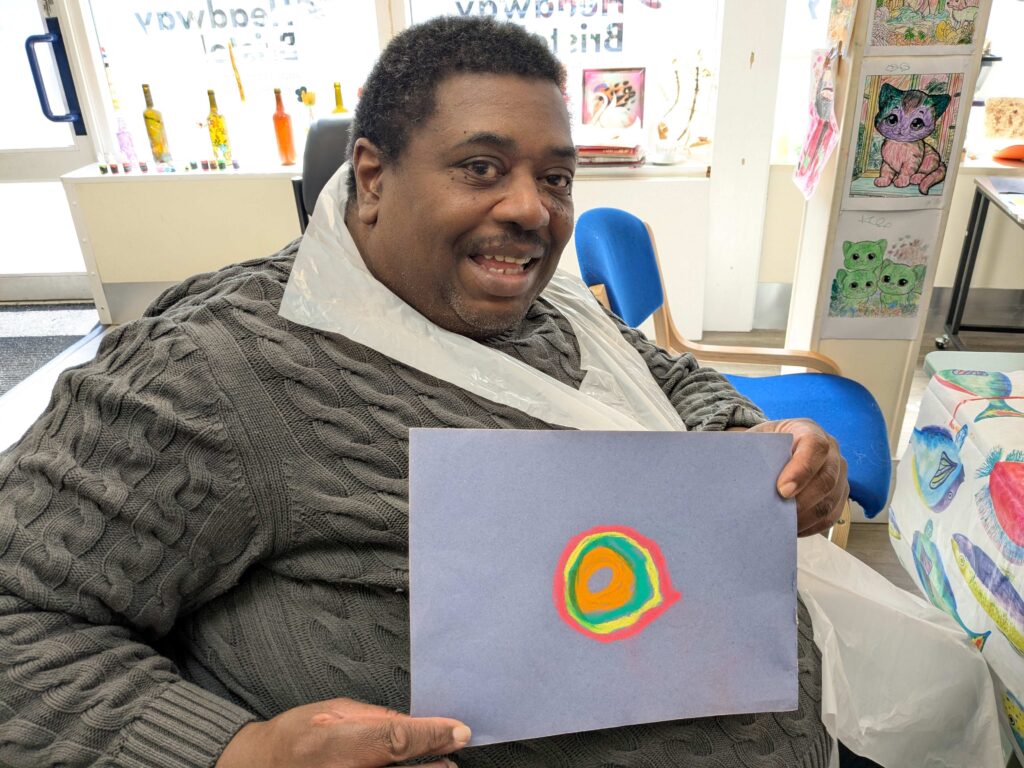
“I can do it all here. I like doing the puzzles, jigsaws, cooking. I love seeing people and chatting to people – I wouldn’t know what to do by myself without Headway Bristol.”
Headway Bristol service user
The centres also provide respite for caregivers:
“I don’t think I could manage if we didn’t have Headway Bristol. It gives him something to do and gives me some time and space for myself”.
Caregiver
Outreach Support
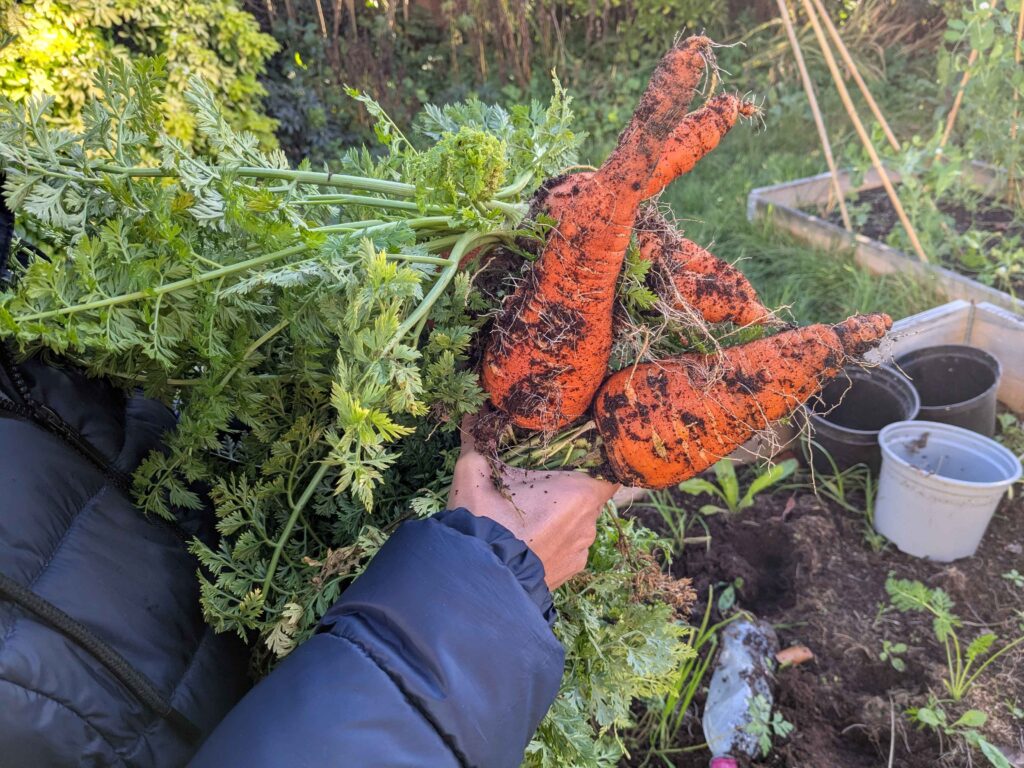
This service provides an outreach support worker – someone skilled and experienced in assisting individuals with a brain injury – to work on a one-to-one basis on agreed goals. This could involve vising the gym, gardening or following social, cultural and creative interests.
“It’s not just isolation in terms of people. Before my brain injury, I used to do a lot of cultural things, and after my brain injury I use an electric wheelchair and felt isolated from cultural activities. On outreach I’m supported find accessible routes to galleries and museums that have helped me reconnect with culture.”
“With a lot of admin being done online, it’s really difficult for some people with ABI; outreach helps me to contact the council and doctors to get the support I need.”
“It makes me feel a bit good in myself – getting walking and making up stories.”
Headway Bristol service users
Hospital Navigators and Crisis Support
Our crisis team is there for those who need us most – in the immediate aftermath of a brain injury. The sudden shock of a loved one experiencing an ABI, combined with the medical environment and terminology, can combine to create a scary and isolating environment. We can support by explaining, offering guidance, communicating with doctors and helping you find the next step. There’s more information about this service in a video about our partnership with Dorset and Somerset Air Ambulance.
We continue this journey with you beyond hospital, offering free crisis advice and support over the phone or in your own home.
Care and Connect group
On the second Tuesday of each month, we provide a free supportive monthly space for survivors of brain injury, carers and families to share experiences, connect and receive support. The focus is on offering emotional support, practical knowledge and respite, helping carers and families navigate life after brain injury. It’s a friendly, informal get-together where you can grab a drink, have a proper chat and connect with others who truly understand what you’re going through.
“At first, I was wary, worried people might judge you, but as soon as I came in, I thought yeah, it’s a community, everyone here has had brain injury, but different issues. That’s what people don’t understand.”
Care and Connect group attendee
Social Hub
Open to all ABI survivors, our Social Hub organises regular meet ups, creating an opportunity for attendees to take the lead and socialise with others doing activities that they enjoy. Recently, we’ve been on trips to Za Za Bazar and adventure golf.
“For many of the people who attend our social hub, it’s so much more than just a social event – it’s a real lifeline. Living with a brain injury can be incredibly isolating, and having a space where people feel understood, accepted and able to connect with others who truly ‘get it’ can make such a huge difference.
“We regularly see confidence grow, friendships form and people begin to re-engage with life in ways they may not have thought possible. Sometimes the biggest impact comes from simply having somewhere to belong.
“Our social hub creates opportunities for laughter, shared understanding, peer support and genuine connection – all of which play such an important role in emotional wellbeing after brain injury.“
Lindsey Forbes, Carers & Support Manager, Headway Bristol
The Headway UK website provides a handy in-depth guide for brain injury survivors and their families on how to maintain a social life after a brain injury. This covers a huge number of topics, coping in crowds, communication difficulties to transport and dating.
How you can help
Volunteer your time
Headway Bristol may sound like a complex environment, but you don’t have to be a neuroscientist to simply connect with our service users and help them to know that they’re seen and appreciated. We value volunteers from all stages of life, and with all kinds of lived experience, including brain injury. You just need to bring your listening skills, commitment and kindness.
“Volunteering at Headway is a wonderful opportunity to get to know people from many different backgrounds and life stories. It is most definitely an exercise in empathy, compassion and individuality. It is lovely to be surrounded by staff and volunteers who share many similar views and attitudes towards the service and the individuals that use it.”
Headway Bristol Volunteer
Even a small commitment can have an exponential impact on ABI survivors:
“I’ve been surprised since I been coming here. It took me by surprise the number of people who are here helping and giving up their time.”
Headway Bristol service user
Volunteer your experience
Not everyone can give up a few hours a week. We also value community groups who bring their own skills and knowledge to our centres for a single event. We’ve recently welcomed Morris dancers and Irish dancers, both of whom lit up the centre with their own unique spirit and energy:
“It was such a special day. The dancers made us all feel involved, going around and introducing themselves, and everyone loved it. And it was great to see some of our service users joining in with the dancing.”
Michelle Gadsby, Centre Manager, Headway Bristol
Donate
We run some services for free (Carer Support Service, Crisis Support Service and Social Hub), and others at reduced cost (Wellbeing Centre and Outreach Support) but can only do this thanks to fundraising and generous donations. If you can support us, your kind donation will directly support those who might otherwise be isolated due to a brain injury or the impacts of a brain injury on a loved one. We also welcome donations to help us fundraise (e.g. prizes) or run centre sessions, such as delicious tea from Bird and Blend and free access from We the Curious.
Why your support is vital now
Increases in ABI are not matched by funding
Rates of hospital admissions for ABIs increased by 12% between 2005–06 and 2019–20, and it’s now estimated that about 1.3 billion people (1 in 50 people) in the UK live with the long-term impacts. But despite the increasing scale of the issue, and the ongoing cost of living crisis driven by inflation, public funding to support those impacted by ABI is reducing.
At Headway Bristol, we are seeing ABI survivors experiencing more frequent financial assessment and more mandatory reconsideration assessments for PIP (Personal Independence Payments), even for long-term conditions that are unlikely to change.
At a national level, the Institute for Fiscal Studies found that councils’ core budgets are 18% lower per person in real terms than they were in 2010, with the guardian reporting that “many of the cuts feed through to social care”.
Without your support, Headway Bristol will find it harder to provide local ABI survivors and their families with vital services along the whole journey of brain injury: from crisis support in hospital, through to care in our centres and support for caregivers themselves. Without these services, people may find themselves isolated at the hardest moments of their lives.
Our big plans for the future in Bristol
At Headway Bristol, we’re planning a future where that support is in place. After two years of providing services from a range of temporary sites, we’re excited to announce a new long-term home. This will bring all our services and service users together under one roof and help us keep growing our community of support for those affected by brain injury. It’s also a huge investment for us: now more than ever we welcome support to help us maximise the potential of our new building for our service users.
“We are excited to officially announce that on 4th April we became the lease owners of the Woodside Building on the Britannia Road Estate in Kingswood. This important step allows us to continue working towards our long-term vision while creating a space that truly reflects the needs of the brain injury community. We look forward to hearing from our community about how this space can further support those affected by brain injury.
“Our vision is to create a sanctuary for everyone at different stages of the journey, from families with loved ones in acute hospital settings at the very beginning of brain injury, to caregivers and individuals living with brain injury themselves. We want this new building to be a welcoming space where people can come away from the hospital environment or the isolation of their home and seek support from our team, connect with others who share similar experiences, and know that the door is always open to them.”
Mari Holcombe, Chief Executive Officer, Headway Bristol
We are keen to hear from any painters, decorators, handypersons, budding space designers/architects, gardeners or seamstresses who may be able to support us in any way. Anyone with a skill, hobby or even just a few hours to spare that could benefit our new space, please do get in touch.
There’s potential for change at the national level
And at a national level, we urge you to sign this petition to support the ‘Right to Rehab’ campaign, or write to your MP. In 2025, a report from the All-Party Parliamentary Group on Acquired Brain Injury and charity UKABIF found that ABI (including traumatic brain injuries, stroke and brain tumours) had a total impact to the economy totalling £43bn per year (including lost productivity, NHS care and the cost of benefits).
The report also argued that acquired brain injury requires the same public health priority, prevention and treatment focus as conditions like cancer, dementia and coronary heart disease (which all generate comparable economic burdens and have a similar focus on public health prevention, treatment and rehabilitation). A key recommendation includes a statutory “Right to Rehab” to end regional disparities that can be an additional cause of isolation for brain injury survivors.
We’d like to give the last word to Nadine Ford, who used one of her sessions in the centre to write a poem on the theme of isolation:
Spirited Soul
It sparkled on the waves
As it slowly rose above the horizon
Brightening up the spirits of every soul
During their endless struggle for freedom
Through the turbulence of time
Across the spectrum of radio, sound, light
It will travel on its endless journey
Bringing strength and courage to the fight
Of endless struggles against impossible odds
These waves of hope
Washing gently over them
Inspiring, forgiving; providing a grip on this slippery slope
From the seemingly endless darkness
The warm, loving sun brings daylight
Determination to continue
This battle, this seemingly eternal fight
For the cure is just around the corner
Solutions, management, improvements can be made
Because there are possibilities
And the spirit can come out of the shade