

We at Headway Bristol publish plenty of updates about what our service users are getting up to and about our fundraising efforts (and there’s more on Facebook) – but have you ever wondered what our staff do on a day-to-day basis? We caught up with Julie, one of our support workers, to hear what she had to say about her role at Headway.
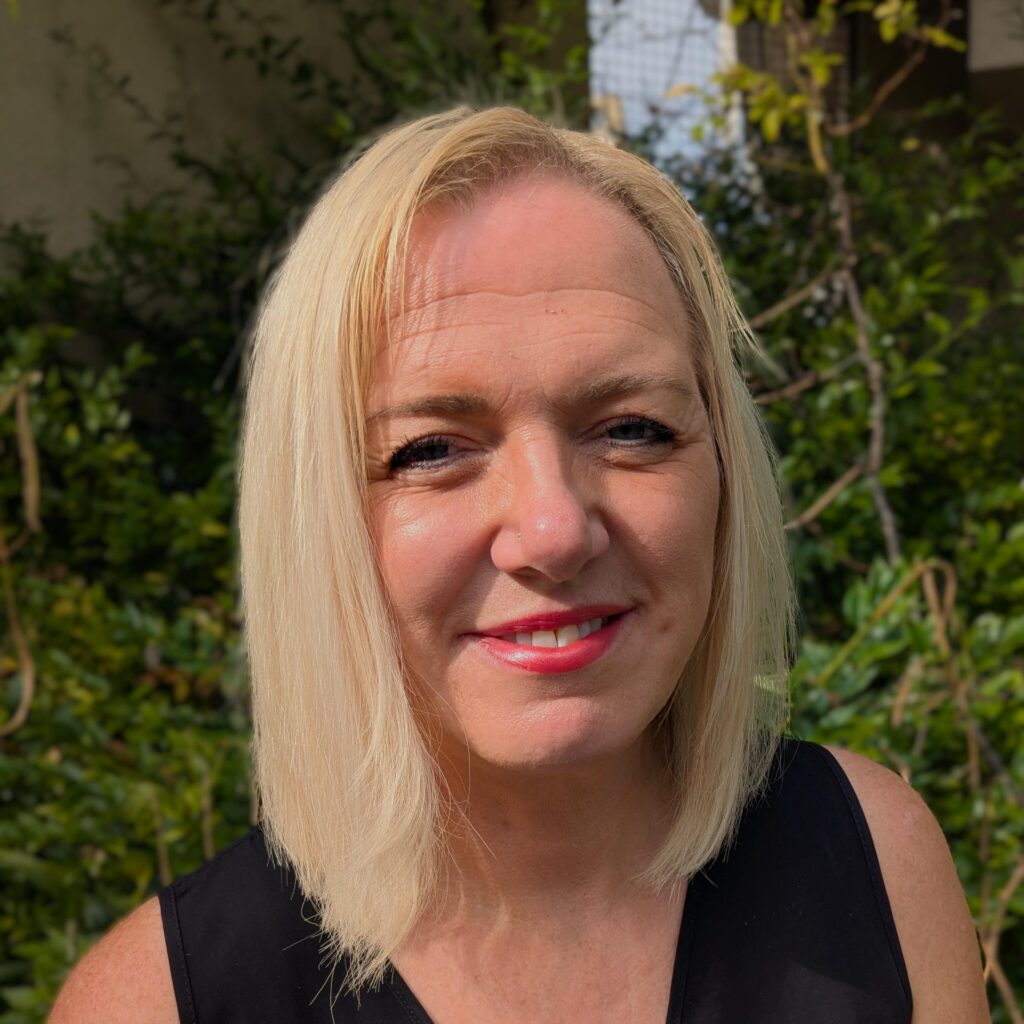
“I’ve been a support worker at Headway for nearly four years (including a break in service). In that time, I’ve had the opportunity to support people with a wide range of acquired brain injuries and see the progress they make through rehabilitation, which is really rewarding.”
Headway Bristol: Thanks so much for chatting to us about your job, Julie. So, is there such a thing as a typical day?
Julie: Not really – every day is different, because every service user has their own needs and goals. At Headway, we support people who’ve experienced many different types of brain injuries, such as those caused by strokes, accidents or illnesses. We focus on various aspects: some people may need help with memory and concentration, while others are working on rebuilding confidence or social skills.
Within the day centre, I’ll be part of a group session – this might be something physical, like gentle exercise, or involve social and cognitive skills, such as cooking together and working from a recipe, or playing a board game and quizzes. These encourage cognitive development and are great for building confidence and peer support.
Sometimes I’m out of the centres – working one-to-one with someone, doing my outreach role. For example, helping with daily living skills, such as booking appointments, completing forms or practising bus routes. Other people may be keen to return to a swimming, walking or sport activity – this helps with physical rehabilitation, and also supports good mental health and well-being.
What makes the job so varied is that we need to be responsive, and have a positive and upbeat outlook. It’s about encouraging independence, rehabilitation and improving quality of life in ways that really suit the individual.
HB: So, what with outreach, is there a lot of day-to-day travel?
J: Yeah, there can be a fair bit of driving, depending on where you’re based. We cover quite a wide area within Bristol and the surrounding areas, so some days you might be at one site, and other days you could be visiting people in different places. But you do get your mileage expenses covered for outreach journeys, so you’re not out of pocket for it.
HB: Have you received much training?
J: Absolutely, yes. There’s a lot of training, especially when you first start. You’re not just thrown in – you have regular supervisions, a manager you can check in with and you can shadow more experienced staff until you feel confident. And even once you’re up and running, there’s ongoing training to keep your skills up to date.
HB: Is there much scope for development?
J: Definitely. Many of the senior staff actually started out as support workers. So if you want to progress, the opportunities are there – whether that’s moving into specialist areas or management. It’s one of those jobs where you can grow if you’re keen.
HB: What’s the team dynamic like?
J: It’s honestly really supportive. Everyone looks out for each other. People are happy to step in and help out if you’re having a tough day. You don’t feel like you’re on your own.
HB: What benefits does the role bring?
J: Well, the hours are pretty good – and there’s free parking which is handy. You get your 25 days holiday entitlement plus bank holidays, and there’s a solid pension scheme too, which not every job offers. You also get your day off on your birthday!
HB: Are there any less tangible benefits?
J: Yeah, for sure. I’d say one of the biggest things is just knowing that what you do matters. You build real connections with the people you support and with their families, and you can see the difference you’re making in their lives. That’s a really rewarding part of the job.
HB: And if there’s someone reading this and wondering if the job is for them, what would you advise them to do?
J: I’d say give it a try if you’re someone who likes helping people and you’re looking for something meaningful. You don’t need to have loads of experience – what really matters is you’re willing to learn.